Mixed martial arts continues to really evolve as fans study more than just knockouts and highlight reels. Increasingly, fight IQ: a fighter’s ability to make smart, strategic decisions, shapes how audiences discuss and evaluate matchups.
Today’s viewers clearly look beyond athletic ability to understand how timing, adaptability and awareness influence outcomes. As this analytical approach grows, it certainly affects public debates, pre-fight conversations and broader sports-betting trends. Fight IQ has become a defining lens through which modern MMA is understood and assessed.
Why Technical Awareness Shapes Public Perception Before a Fight
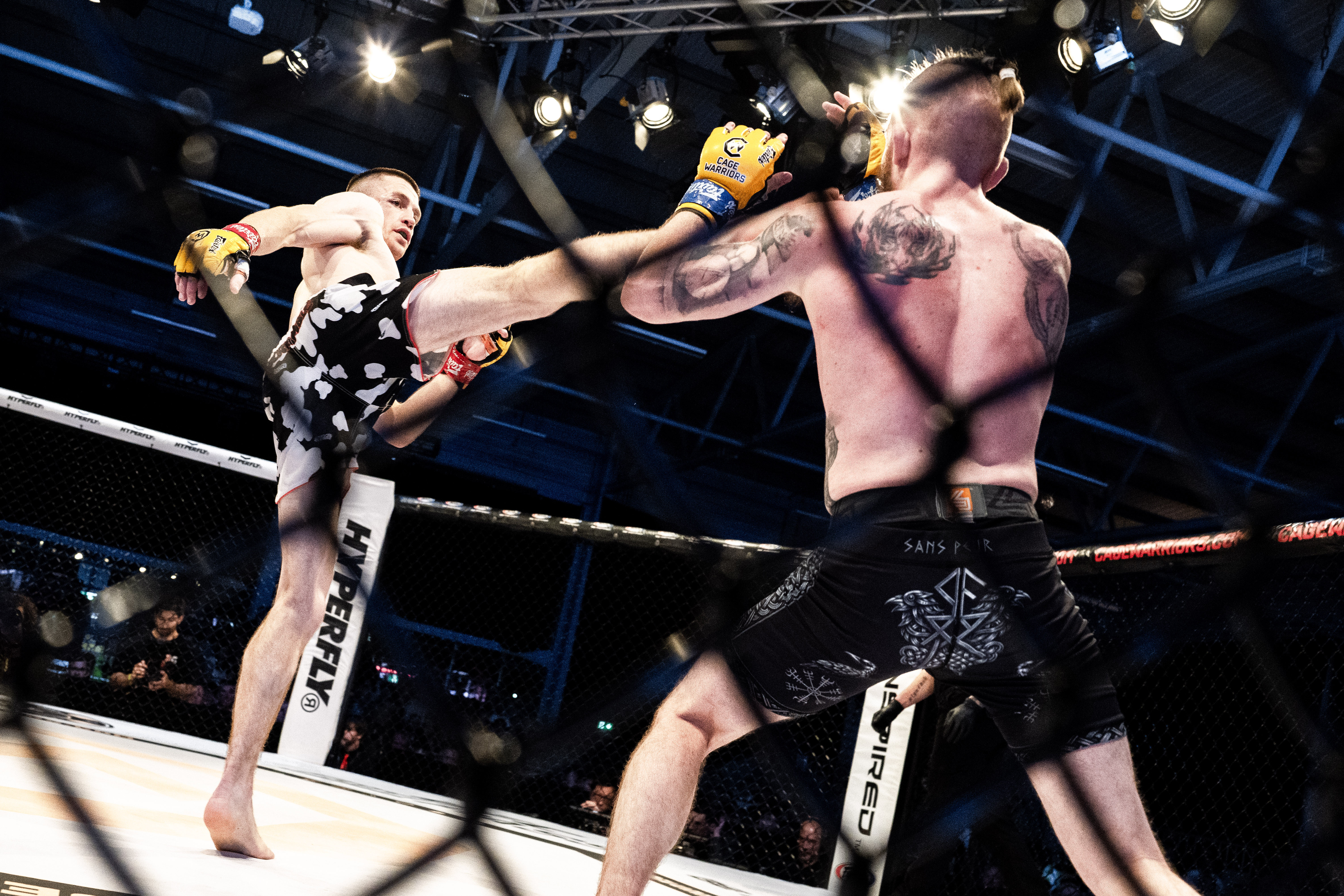
Technical understanding is clearly no longer limited to analysts and coaches. Fans now examine footwork, combinations, feints, defensive reactions and grappling transitions with surprising detail. This shift has changed how matchups are viewed long before fighters touch gloves. A well-rounded competitor with strong decision-making often earns greater audience confidence than a purely explosive finisher.
Observers frequently reference onboarding examples from sports-betting platforms, including processes such as betway register, when discussing how fans enter digital environments to follow pre-fight narratives. These references are intended to illustrate access points. The core idea remains the same: informed viewers increasingly prioritize technical intelligence when evaluating how a fight might unfold.
Technical cues such as cage management, pace control and distance reading play significant roles in shaping perception. Fans notice when a fighter consistently makes the right choices under pressure. That recognition influences how people discuss matchups, what they expect from each round and how they analyse stylistic clashes.
The Role of Strategy, Adaptation and Game Planning in Betting Discussions
Strategy has always mattered in MMA, but modern audiences pay closer attention to it than ever. Pre-fight interviews, training footage and past performances help you gauge whether a fighter can adapt mid-round or respond effectively to unexpected variables. A competitor with strong fight IQ can change tempo, adjust stance or modify grappling entries based on how an opponent engages.
This creates a richer environment for fight analysis. When discussing strategic depth, some commentary highlights the structure of fan-access portals such as betway, to frame how digital audiences follow event previews and tactical breakdowns. These references serve to explain how people engage with information, not to encourage participation.
Game planning affects perception as well. If a wrestler faces a slick counter-striker, viewers evaluate whether the wrestler can chain takedowns together or disguise entries. If a striker meets a grappler, fans wonder whether the striker’s lateral movement and takedown defence will hold. Fight IQ sits at the centre of these conversations, shaping how you can interpret stylistic advantages.
How Momentum, Experience and Octagon Control Affect Bettor Confidence
Momentum plays a significant role in shaping discussions around upcoming bouts. Bettors look at win streaks, quality of competition, durability and how fighters respond after setbacks. Experience also contributes to perceived reliability; veterans with years of cage time develop calmness in scrambles, patience in striking exchanges and a stronger sense of when to push or retreat.
Public sentiment often shifts when a fighter demonstrates exceptional control of cage space. A competitor who consistently dictates range, prevents level changes, or disrupts rhythm appears more composed and intelligent under pressure. When analysts study how fans interpret these factors, they sometimes reference pathways like betway register to explain the broader ecosystem of digital discussion spaces. This contextual framing shows how communities gather around events and analyse fighters’ tactical behavior.
Octagon control, a blend of ring generalship, positional dominance and assertive pacing remains one of the strongest indicators of smart fighting. Fans recognize when a competitor forces a bout into favorable terrain and that recognition shapes predictions and debates.
Why Fight IQ Matters More Than Rankings or Hype Cycles
Rankings tell only part of the story in MMA. Fans have learned that stylistic matchups often matter more than numerical positioning. A lower-ranked fighter with higher fight IQ can outperform a higher-ranked opponent if the styles favor thoughtful, adaptable decision-making.
Audience discussions reflect this shift. Fans examine how fighters solve problems in real time, whether they bring high-level discipline to transitions and how reliably they stick to, or adjust, their game plan. This thoughtful approach mirrors how people navigate online information hubs. Commentary occasionally uses betway as an example of how viewers access digital spaces where these strategic discussions unfold.
Hype cycles can elevate interest, but fight IQ earns long-term respect. Viewers reward fighters who show patience, creativity and composure. Over time, this intelligence shapes how people interpret records, momentum and future matchups.
The Growing Influence of Analytics in Predicting Tactical Matchups
Modern fans increasingly use performance data to support their evaluations. Metrics such as significant strikes landed, control time, takedown accuracy and defensive efficiency help you identify patterns that reflect a fighter’s strategic awareness. These statistics give depth to conversations and highlight areas where fight IQ becomes especially visible.
When audiences engage with analytical content online, observers sometimes cite examples like betway register to show how digital tools structure the pathways through which bettors encounter this information. Analytics reinforce what many already believe: fighters who think clearly, adapt wisely and manage risk effectively often outperform their peers.
Fight IQ is not just a visual impression; it becomes measurable through consistent performance indicators. Intelligent decision-making builds reliability. Reliability shapes expectations. And expectations drive how modern fans interpret competitive matchups. The sport continues to evolve, but one idea remains clear: smart fighting wins respect, shapes expectations and elevates the way people understand every matchup.
¦ RSS Sean and Ian talk the incredible UFC 331, Van’s coming of age, Arman title shot? Gable Steveson’s fraud check and more Follow Sean X.Com/SeanSheehanBA Follow Ian X.Com/ioneillmma...
¦ RSS Sean and Ian talk UFC Paris, Song’s upset, CW Dublin, MVP’s underperformance and more! Follow Sean X.Com/SeanSheehanBA Follow Ian X.Com/ioneillmma Join the fun and support our journalism...
¦ RSS Sean and Ian talk negatively about MMA Follow Sean X.Com/SeanSheehanBA Follow Ian X.Com/ioneillmma Join the fun and support our journalism on Patreon.com/SevereMMAPodcast And now….. here’s the...







You must be logged in to post a comment Login